15 years ago, my 97-year old grandma had moved from her condo in South Florida to an upscale senior living facility outside of Jacksonville, Florida in order to be closer to family and for support with care. My aunt, uncle and cousins who had been 300 miles away were now right down the road from her. My dad had recently retired, and was flying from Chicago to help with the move and to see her every few weeks as well.
Aging takes a village
Several years after moving into her new home, grandma began treatment for chronic pain. Her doctor prescribed a number of prescriptions, including opioids, to help with pain management, which definitely helped improve her quality of life. With the help of a good medical team, and a supportive pharmacist, they were able to treat her health conditions without a lot of unpleasant side effects.
Less than a year into the new regime, something strange happened.
Grandma began running out of medications a few days ahead of the refill date. The pharmacy team was helpful in resupplying her, but only up to a certain point. Finally she’d run so short of medications there was no option but to wait a week or more until the prescription was eligible for a refill. Meanwhile, grandma would have to deal with the chronic pain on her own. It was tough to watch.
Over the course of the next weeks and months, the prescription shortage went from being a one-off situation to an occasional event to a frequent scenario. There was something going on with grandma’s medications.
When people care enough to watch closely, ask questions, and take action, extraordinary things can happen. In many ways, Villari was born from that experience — the belief that even in a modern world filled with new risks, the old idea of a village still matters.
Possibilities
At first, everyone assumed there had to be a simple explanation. Maybe the pharmacy had miscounted the pills when filling the prescription. Maybe my grandmother had accidentally taken an extra dose or misplaced a bottle somewhere in the apartment. The nursing staff went through all of the usual possibilities with us. They checked the refill history, reviewed the medication schedule, and confirmed that the prescriptions were being dispensed correctly. On paper, everything seemed normal. But the numbers kept drifting. Every few weeks, a few more pills would disappear than should have been possible. What made it even more unsettling was how subtle it was. Nothing was being taken in large amounts that would immediately trigger suspicion. Instead, it looked like a few pills here, a few pills there — just enough to create a shortage days later when the refill date hadn’t arrived yet. The more we thought about it, the more uncomfortable the possibilities became. Someone would need access to the apartment. Someone would need to know where the medications were kept. And someone would need to be confident enough that no one was watching. That realization was the moment the situation stopped looking like a medical mix-up and started looking like something far more deliberate.
Security measures
My dad and I were stumped. At this point, I’d already had about five or six years of global security work under my belt, including some undercover and intelligence operations. From that work, I already knew that Florida was a hotbed for drug trafficking and pill mills, and that opioids were highly sought after.
So we decided to set up a hidden camera sting operation.
We worked with the nursing team to set up an hourly medication inventory. Fake smoke detectors with pinhole cameras were mounted in the ceiling tiles, streaming directly to a remote hard drive. We positioned the pill bottles in the kitchen right near the entrance to my grandma’s apartment, in perfect view of the hidden cameras.
Then we waited.
A few days later, during the hourly audit, the head nurse noticed an anomaly in the pill counts. A shortage.
The nurse let my dad know right away. We now had a precise 60-minute window during which time the pill count mysteriously changed. Time to figure out what the hell was going on. Time to check the cameras.
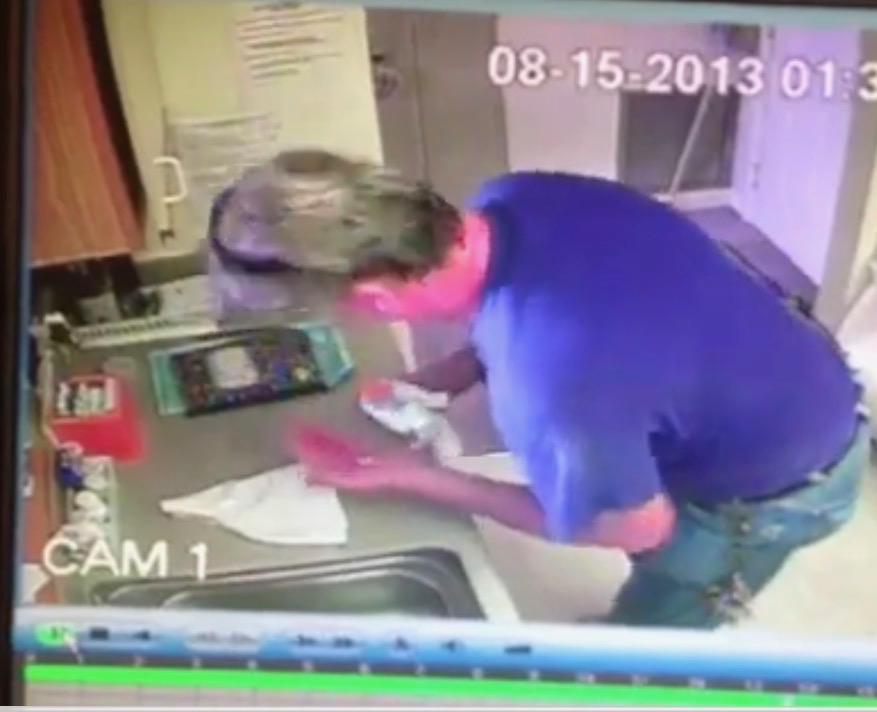
We pulled the footage from the timeframe and started watching, not knowing what to expect. To our horror, we watched the maintenance man use his master key to enter her apartment and steal her medications. It was all meticulously done… the way he took paper towels to cover his fingerprints, how he knew exactly where to look, how he conducted the theft at the exact same time all of the seniors were out of their units at a community event. Lord knows how many other people he stole from that same day.
My father and I had him arrested that afternoon, where he was charged with Felony Possession, Elder Abuse, and a whole host of other charges.
It was terribly sad and vindicating all at the same time.
For a couple of days, my dad and I felt like we were out of the woods, right? Bad guy = busted. But with staff coming and going from grandma’s apartment all day long with easy access to her medications, a whole host of surveillance measures already in place, and daily media coverage about the intensifying opioid crisis, we decided the safest course of action would be to continue our inventory control and surveillance measures.
What happened next was even more stunning.
Bad actors where you least expect them
Several weeks later, it happened again. Another medication disappearance.
We were baffled. Our maintenance man was out on bond with a restraining order and facing a boatload of charges. What was happening?
Same drill. We pulled the footage. We waited. We watched in horror as a freaking nurse stole my grandma’s medication right under the watchful eye of the hidden camera smoke detector.
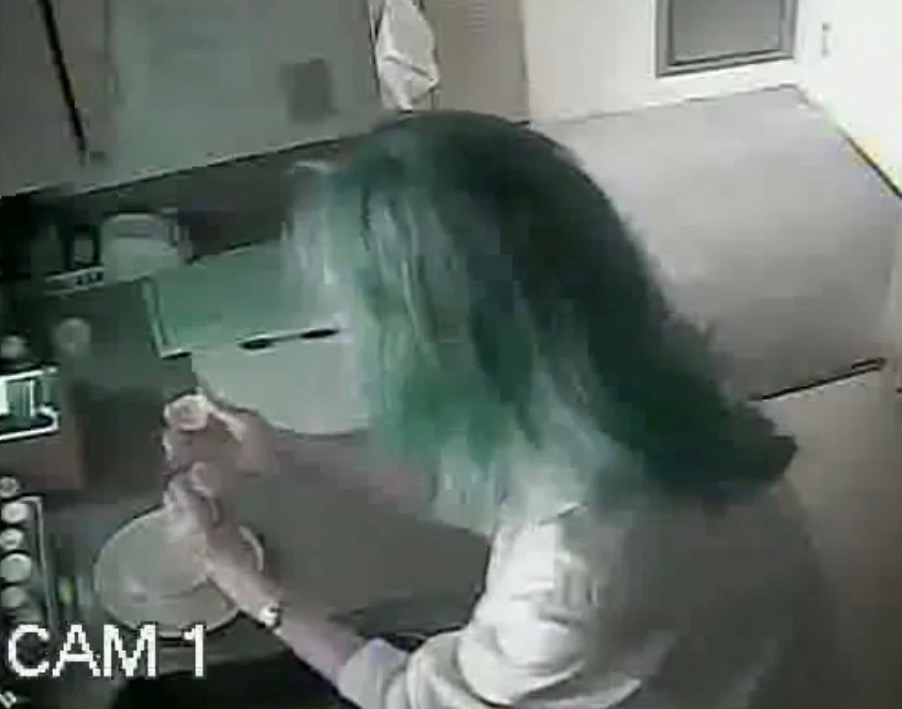
We had her arrested too. She would lose her RN license and would never work in healthcare ever again.
I can’t imagine what would have happened if I didn’t have a background in security to orchestrate this whole undercover sting operation. How many people suffer in pain due to stolen medications? I can’t imagine how many thousands of people this happens to around the country, every single day.”
It takes a village
Aging takes a village. I’m grateful to be part of that village of care for my grandma. Not everyone has that luxury. Many older adults are navigating complex systems with far less support around them.
Thus, Villari
The name Villari was chosen to reflect that idea. It comes from the same root as the word village — the simple belief that safety and well-being are strongest when people look out for one another. For most of human history, protection didn’t come from institutions or technology. It came from families, neighbors, and communities paying attention and stepping in when something wasn’t right. My grandma’s story was a powerful reminder of that. When people care enough to watch closely, ask questions, and take action, extraordinary things can happen. In many ways, Villari was born from that experience — the belief that even in a modern world filled with new risks, the old idea of a village still matters.